
Blog
Practice your reading, listening and writing skills in English while you improve your vocabulary, increase your knowledge about Canadian culture, and find new resources for further language study.
We post a new blog entry every Wednesday.

SHOW: “Son Of A Critch”
– B2-C2 (intermediate to advanced) –
By watching this show there are a variety of English-language elements that a person can practice and learn, including…

Song: “Stay A Little Longer”
– B2 (intermediate) –
While listening to, reading, and singing along to this song, one can improve…
relation vs. relationship
– B2-C2 (intermediate to advanced) –
It is a common mistake among English learners to say “relation” instead of “relationship.” These words do not mean…

Game: “Taboo”
– B1+ to C2 (intermediate to advanced) –
Playing games is an excellent strategy in making language learning both fun and immersive...

PROFILE: British Columbia
– C1-C2 (advanced) –
Beautiful British Columbia: the slogan of the Canadian province does not speak far from the truth; beauty is everywhere there. From its…
Featured Posts
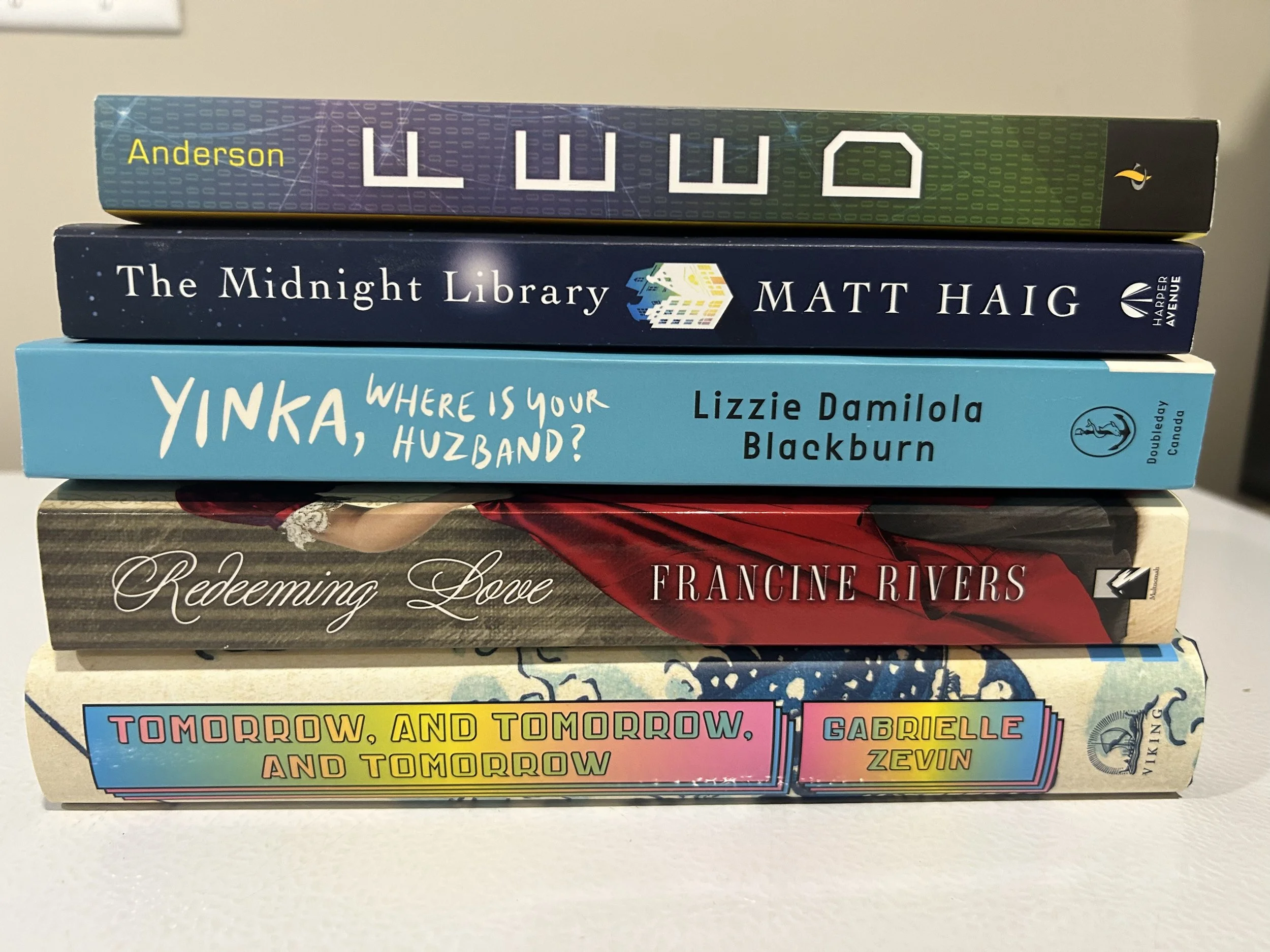
BACK TO SCHOOL





Most Popular Posts
COMMON MISTAKE: to present yourself vs. to introduce yourself
— B1-C1 (intermediate to advanced) —
A common mistake that can make a social or professional situation quickly awkward is saying, “let me present myself to you” instead of “let me introduce myself to you.” Learn why these phrases do not mean the same thing…
melting pot vs. cultural mosaic
— C1-C2 (advanced) —
Many people have heard Americans refer to the United States as a melting pot of cultures due to its diverse population. While Canada is also diverse it is a cultural mosaic, not a melting pot. Learn the difference between these two societal structures here…
COMMON MISTAKE: sea vs. ocean
— B2-C1 (intermediate to advanced) —
A common mistake that many language learners make in English is only using the word, “sea.” “Sea” and “ocean” are not synonyms in English. Using them as such can cause confusion, particularly in Canada and the USA. Learn the differences between these words…
Archive
- September 2026 4
- August 2026 8
- July 2026 9
- June 2026 9
- May 2026 9
- April 2026 8
- March 2026 9
- February 2026 8
- January 2026 9
- December 2025 9
- November 2025 9
- October 2025 9
- September 2025 9
- August 2025 7
- July 2025 9
- June 2025 9
- May 2025 10
- April 2025 9
- March 2025 8
- February 2025 8
- January 2025 10
- December 2024 12
- November 2024 9
- October 2024 9
- September 2024 8
- August 2024 10
- July 2024 11
- June 2024 10
- May 2024 10
- April 2024 11
- March 2024 11
- February 2024 10
- January 2024 10
- December 2023 8
- March 2023 16
- February 2023 17
- January 2023 21
- December 2022 23
- November 2022 22
- October 2022 2
Tags
Are you looking for blog posts on phrasal verbs, idioms, or other elements of the English language? Click on the tag below that interests you. You will be provided with all the blog posts that feature that element.
- a2
- aave
- adjectives
- adverbs
- africa
- aint
- animals
- appearance
- art
- australia
- b1
- b2
- BodyParts
- books
- buildings
- business
- c1
- c2
- canada
- change
- christmas
- CityLiving
- clothing
- CommonMistakes
- comparison
- conditional
- ConnectedSpeech
- contractions
- courtesy
- death
- education
- ellipsis
- emotions
- english
- food
- furniture
- future
- FutureSimple
- games
- geography
- gerund
- get
- health
- heritage
- HobbiesInterests
- holidays
- home
- identity
- idioms
- imperative
- ireland
- jargon
- lifestyle
- LoanWords
- ModalVerbs
- movement
- movies
- music
- nature
- negation
- neologisms
- numbers
- OnTheStreet
- opinion
- parenting
- PassiveVoice
- PastPerfect
- PastPerfectContinuous
- PastSimple
- PastSimpleContinuous
- people
- personality
- PhrasalVerbs
- podcasts
- politics
- PresentContinuous
- PresentPerfect
- PresentPerfectContinuous
- PresentSimple
- PresentSimpleContinuous
- punctuation
- questions
- relationships
- religion
- routine
- shopping
- shows
- slang
- SocialMedia
- society
- sports
- technology
- time
- travel
- uk
- usa
- vacation
- verbs
- weather
- work
– A2-C1 (beginner to advanced) –
“School” in Canadian English does not necessarily mean the same thing as it does in British English…