Canadian vs. American English: Food Vocabulary, Part 1 (Halloween Edition)
– C1 (advanced) –
Practice Your Listening Comprehension
Practice Your Reading Comprehension
Canada and the United States of America are two distinct countries, which means that they both have their own unique culture and perspective. This is what primarily informs the language that residents of each nation use. Here are a few examples of how the vocabulary in Canada and the USA are different, specifically when it comes to foods and drinks commonly consumed on their shared holiday of Halloween:
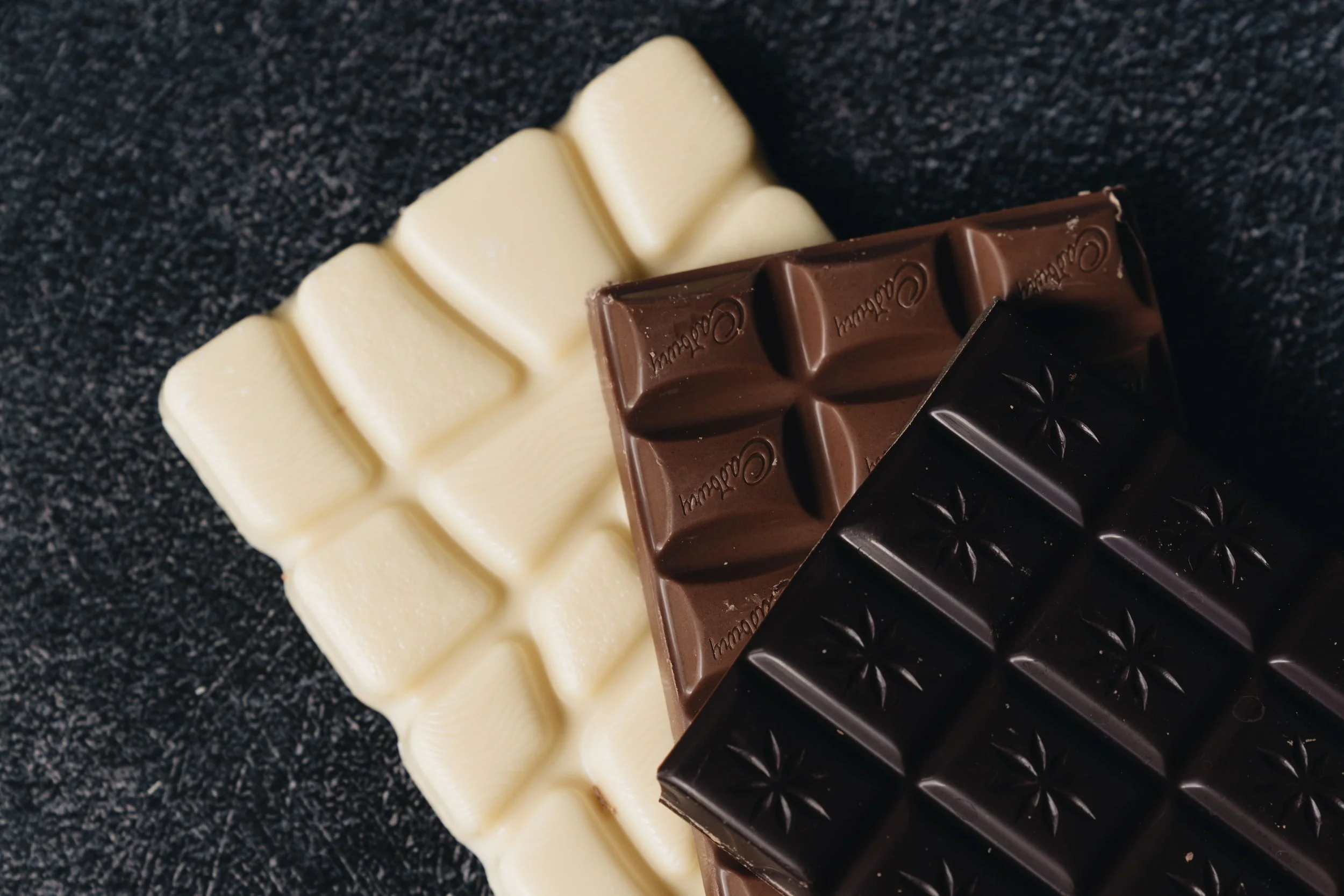
CHOCOLATE BAR
🇨🇦 CANADIAN ENGLISH
In Canadian English, this word typically means:
(noun)
a solid block of chocolate, which is sometimes divided into smaller pieces
🇺🇸 AMERICAN ENGLISH
In American English, the term “candy bar” is generally used to refer to what Canadians call a “chocolate bar.” In the US, the name for this object is logical because Americans generally consider chocolate to be a type of candy.
COMPARISON
In the Canadian context, however, “candy bar” is not traditionally used because the word, “candy,” in Canadian English typically refers a snack that is made by boiling down and cooling sugar. Since chocolate is prepared differently and only uses sugar as a sweetener and not a primary ingredient or base for its structure, many Canadians do not consider chocolate to be a type of candy. Instead, chocolate is logically viewed in Canada as a distinct concept, separate from candy. Since both foods do, however, share in their qualities of containing a high amount of sugar, Canadians may group both chocolate and candy under the umbrella of “sweets” or “junk food” instead of “candy.”
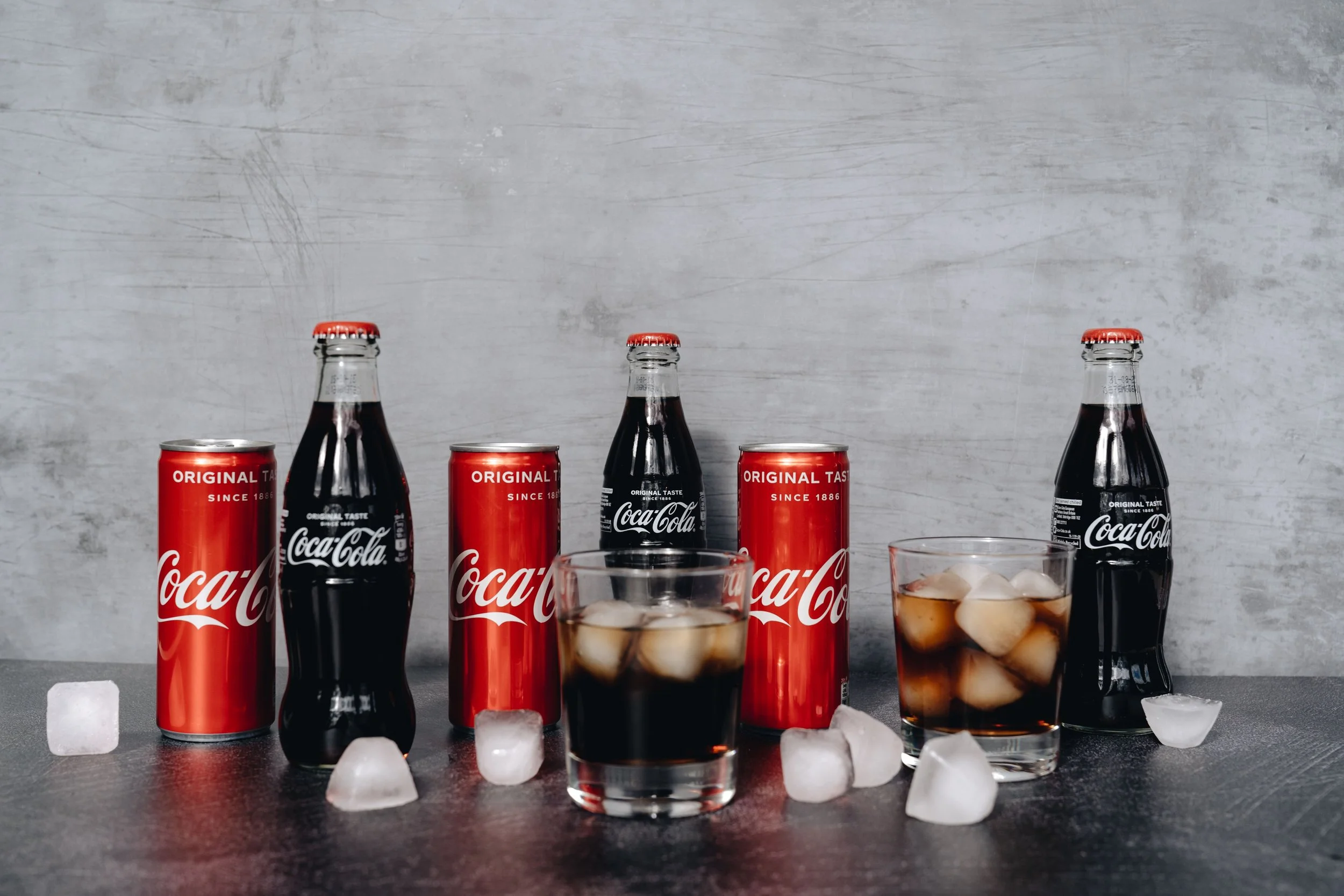
POP
🇨🇦 CANADIAN ENGLISH
In Canadian English, this word typically means:
(noun)
a type of drink that contains carbonation and a high amount of sugar
🇺🇸 AMERICAN ENGLISH
In American English, “pop” is often considered an old-fashioned term, but it can still be heard in regional use in some areas of states located near the Canadian border (e.g., limited areas in North Dakota, Minnesota, Michigan, etc.). The majority of Americans typically use the word, “soda,” to refer to this type of drink, though some East Coasters and Southerners might opt for "coke” in lieu of “soda.”
COMPARISON
In Canada, these American words are understood a little differently. In Canadian English, “soda” typically refers to sparkling water (water with carbonation and sometimes salt) and “Coke” typically refers to a specific flavour of pop: Coca Cola–it is not used as a general word to refer to all pop.
SUCKER
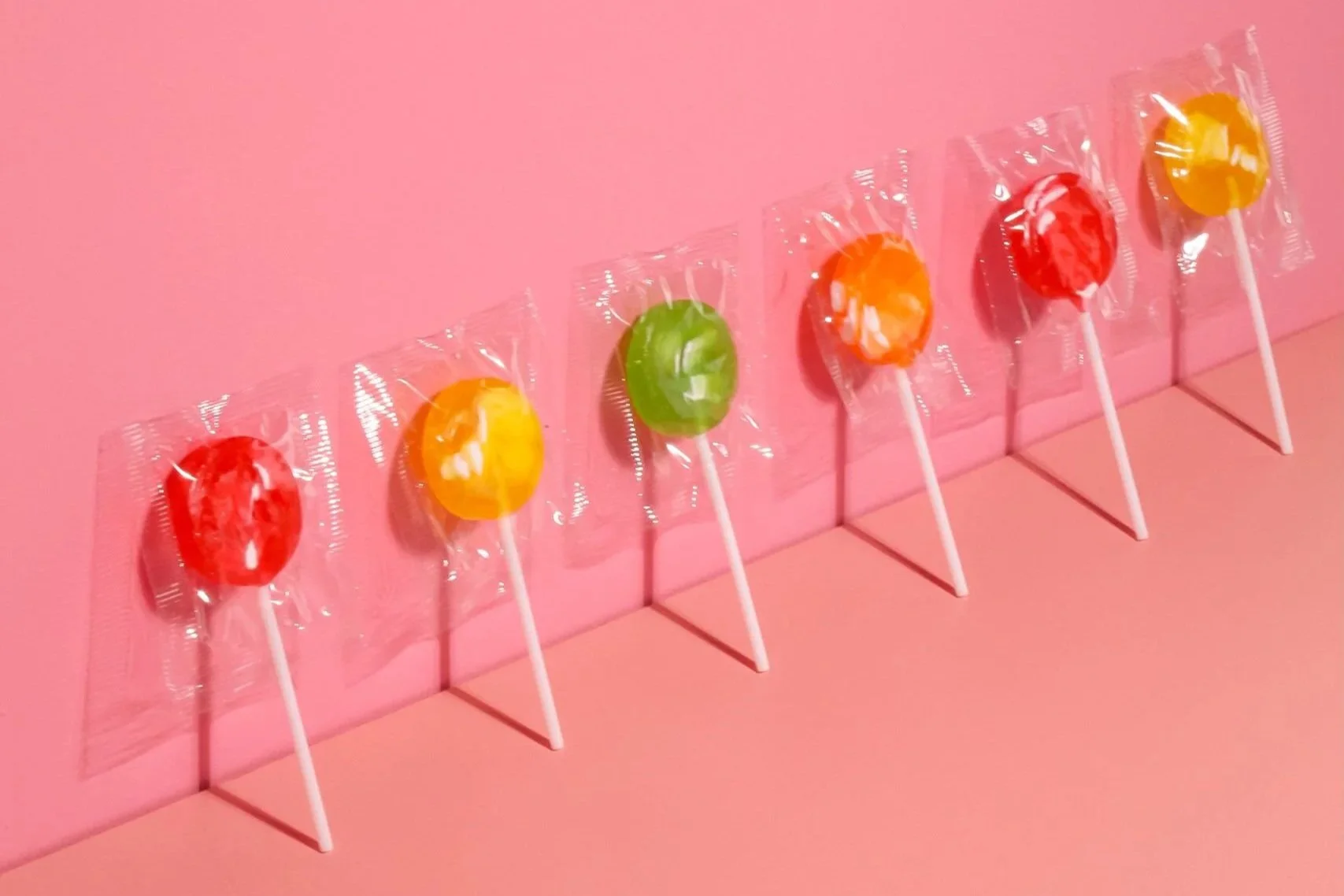
“Suckers” image credited to TheSocialSundae, Pexels.
🇨🇦 CANADIAN ENGLISH
(noun)
a type of hard candy that is mounted on a stick and is consumed by licking or sucking
🇺🇸 AMERICAN ENGLISH
While some Americans in the Midwest and South may equally use the term, “sucker,” to refer to this common Halloween treat, American English seems to favour the term, “lollipop,” instead.
COMPARISON
The word, “lollipop,” in those previously mentioned regions of the US, as well as in Canada, however, is generally used to refer to a specific type of sucker, one that is more gourmet and has a decorative pattern on a swirl design.

“Lollipops” image credited to Hartonosbg, Pexels.
ROCKETS

“Rockets” image credited to Candy Fun House.
🇨🇦 CANADIAN ENGLISH
In Canadian English, this word typically means:
(noun)
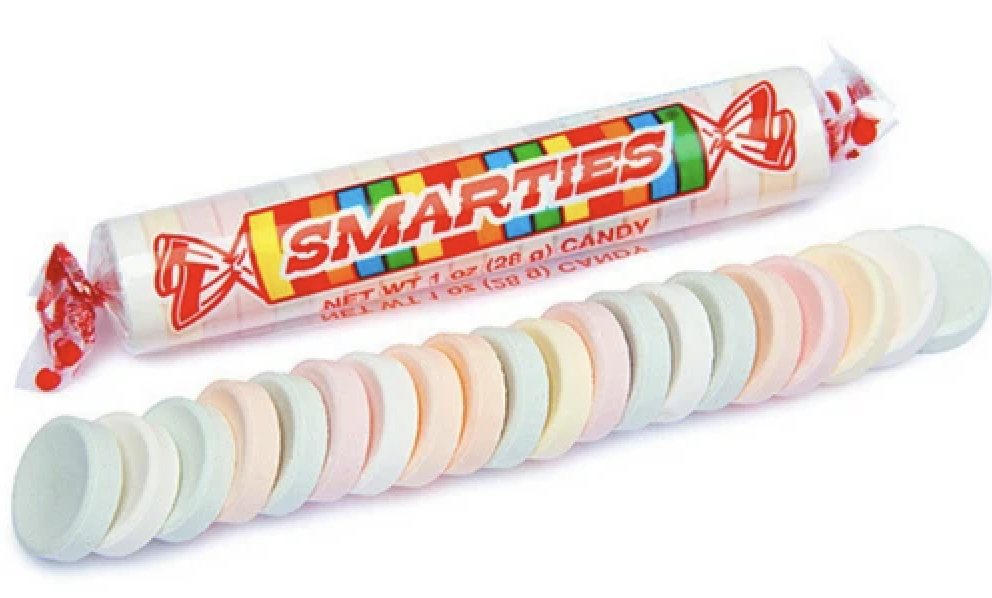
a small, round candy that is pastel in colour and has a similar texture to chalk
🇺🇸 AMERICAN ENGLISH
In American English, this same candy is called, “Smarties.”
COMPARISON
So, when Canadians talk about eating Rockets, Americans are often left confused, thinking that Canadians are referencing the aircraft used by astronauts or the explosive used in war. When they learn what Canadians mean by “Rockets,” Americans often reference their terminology, “Smarties.” However, this terminology does not mean the same thing in Canadian English. In Canada, “Smarties” are a type of round chocolate covered in a colourful candy coating, which Americans call “M&Ms.” To make matters more complicated, M&Ms exist as a popular product in Canada too, but they are smaller and contain more chocolate than Canadian Smarties, so despite their shared appearance they are generally viewed as a different type of candy in Canada. Hence the age-old Canadian debate: which is better? Smarties or M&Ms?
“US Smarties” image credited to Candy Fun House.
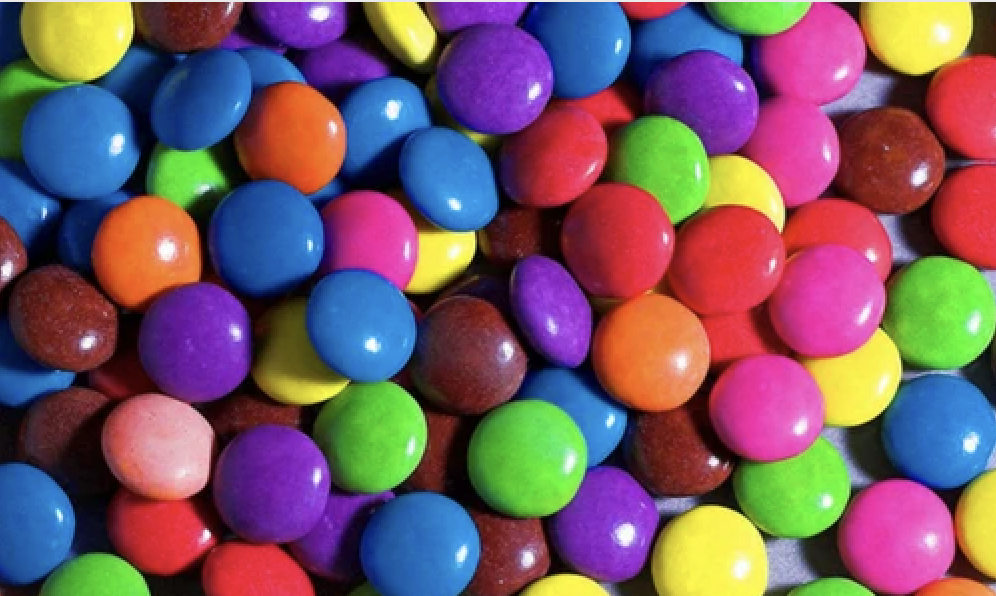
“Canadian Smarties” image credited to Candy Fun House.
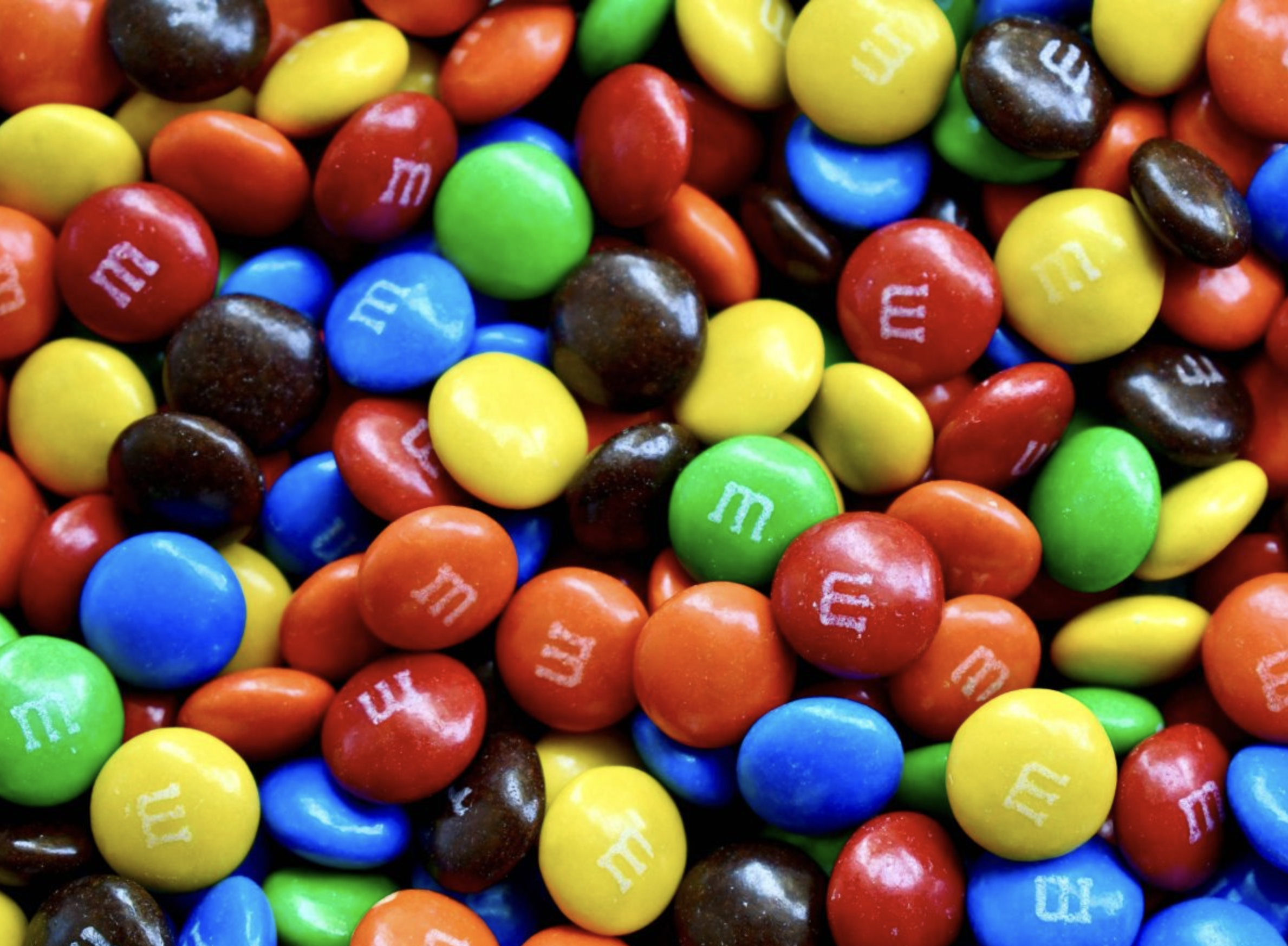
“M&Ms” image credited to Eat This.
SPONGE TOFFEE
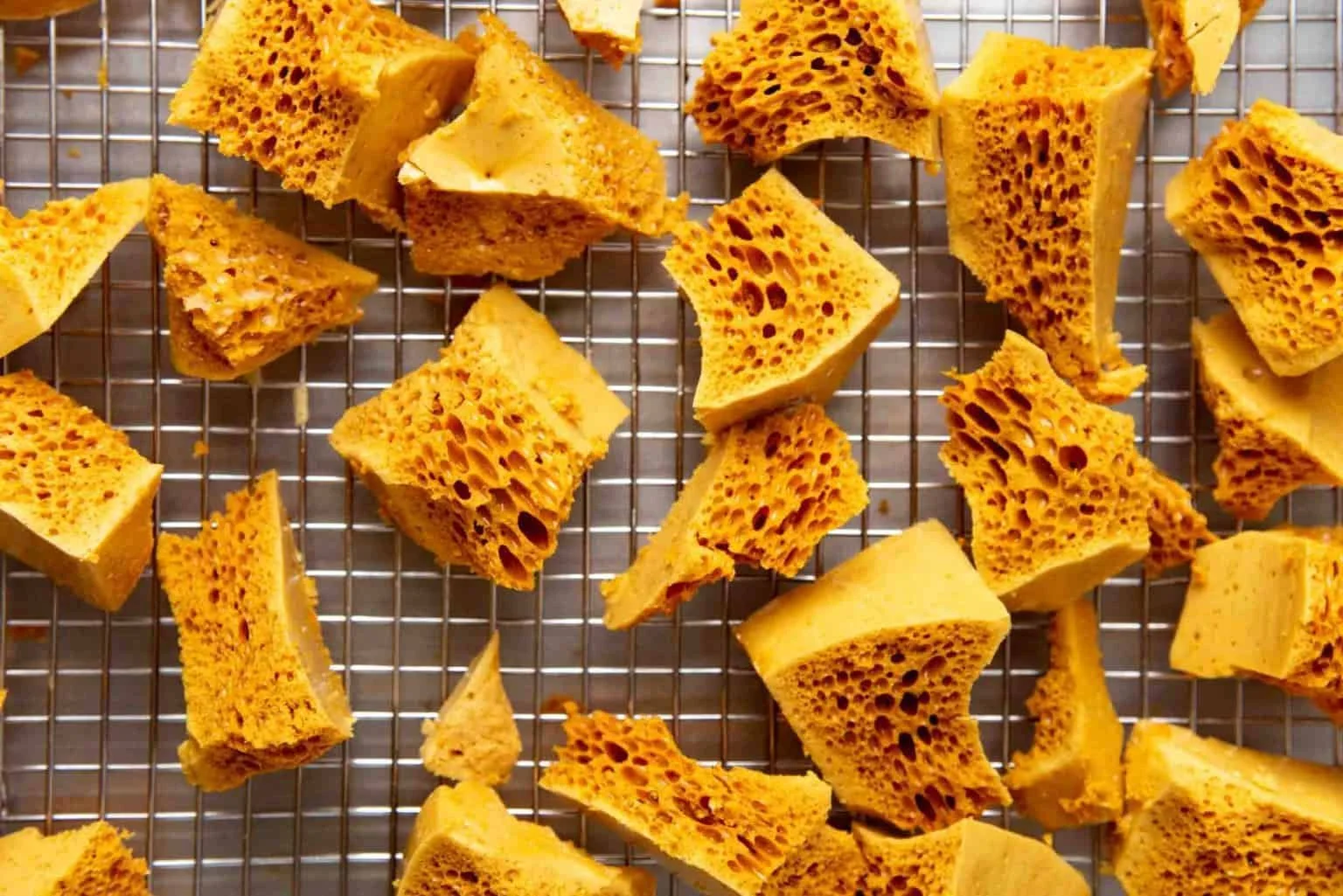
“Sponge Toffee” image credited to The Flavor Bender.
🇨🇦 CANADIAN ENGLISH
In Canadian English, this word typically means:
(noun)
a type of honey-based candy with many air pockets, which is sometimes dipped or covered in chocolate
🇺🇸 AMERICAN ENGLISH
In American English, this type of candy has a different name depending on region. Some areas refer to this sweet as “honeycomb candy/toffee,” whereas other areas commonly refer to it as “seafoam candy/toffee.”
COMPARISON
In Canada, this treat is commonly gifted and consumed around Halloween and Christmas. In the United States, however, it is less common and is usually only sold in specialty shops or candy stores as an old-fashioned product.