Victoria Day
– B2-C2 (intermediate to advanced) –
Practice Your Reading Comprehension
Every penultimate Monday of May is a federal statutory holiday and optional public holiday in Canada called, Victoria Day, or Fête de la Reine (Celebration of the Queen). As Canada’s oldest holiday, this day has seen much evolution in its reason for observation since its official implementation in the early-to-mid 19th century.
In origin, Victoria Day, like many ad-hoc-turn-official-holiday events in Canada, honoured various British and French royals’ birthdays; in the 17th century, Canada, or more aptly called at the time, the Canadas, was still a colony of the UK and France, so respect was frequently given to the nations’ Crowns through various events over the course of a year. These events were typically marked as occasions for soldiers of the Canadian Militia to complete their annual military training in servitude to the British and French powers.
Upon officialization in 1845, Victoria Day was born as a means to unify English and French Canadians as a distinct joint nation from the United States of America. Loyalty to the British monarchy was largely considered a primary trait of the Province of Canada that distinguished it from its southern neighbour, and the birthday of Queen Victoria of the United Kingdom of Great Britain and Ireland lies on a day that was deemed suitable to both Anglo- and Franco-Canadians. With the official implementation of Victoria Day as a holiday, mandatory military training ceased to be a method of observation. Instead, the newly unified Canadians would gather in public to honour the British Crown with military presentations (gun salutes, skill demonstrations, and drills), fire-lit processions, folk songs, athletic competitions, and picnics.
As time progressed, the already-propagated idea of the British monarchy being a “guarantor of minority rights” became further popularized among Canadians when Queen Victoria gave royal assent to the British North America Actin 1867. This permitted Canada to become an independent country from the UK. From that time onward into the 20th century, Queen Victoria became known by Canadians as the “Mother of Confederation,” and her birthday, Victoria Day, became a holiday of Canadian patriotism. Regardless of Queen Victoria’s reputation in the young nation, loyalty to the British Crown began waning in Canada, and despite new members of the royal family ascending the throne, their birthdays started to hold little weight for Canadians compared to Queen Victoria’s (due to its new meaning), leading many royal members to shift their birthday celebrations in the Dominion of Canada to Victoria Day, making it an amalgamation of both Canadian patriotism and a reminder of UK royal loyalism.
As the new millennium approached, British royalty consequently began its descent from being a central point of Canadian culture to a historical novelty for the nation. Despite still holding an official role in Canadian Parliament, the British Crown started to no longer be an association that Canadians generally made with Victoria Day, and due to a renewed understanding of Canadian identity that had been evolving since the 1930s up to and past the official termination of residential schools in the late 1990s (which saw an expanded revelation in the 2020s), Victoria Day even as an occasion for Canadian patriotism has lost much popularity.
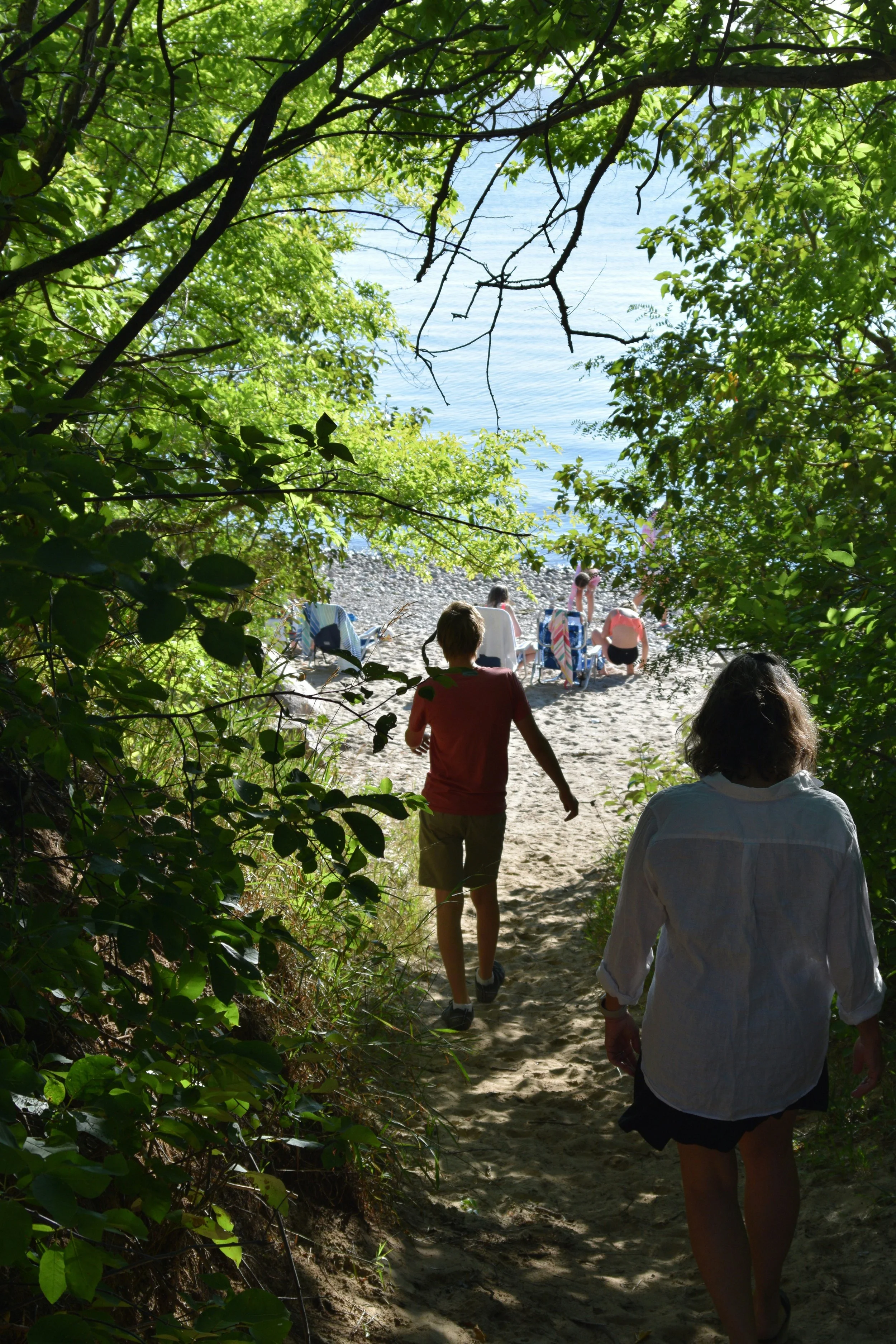
And yet Victoria Day remains to be an annual observation in Canada, but for a different reason. While many have forgotten or do not care to know about the holiday’s history or original meaning, Victoria Day has been given modern significance: to stabilize one’s work/life balance with time off from work and school, either alone or with friends and/or family. How Canadians choose to do this varies, but a common choice finds itself engaging with lake culture: travelling to a cabin/cottage or campsite in a remote area near a lake or wide river, going swimming, boating, fishing, hiking, tanning on a beach, drinking summer beverages like alcohol, sitting around a fire pit, chatting with loved ones and acquaintances, having barbecues and picnics, having “me time” in nature, and doing a myriad of other waterside activities that unofficially mark the beginning of the summer season of Canada. This common form of celebration is what has colloquially renamed Victoria Day in Canada to May Long [Weekend], May Two-Four (a double entendre that references a case of 24 cans of beer (a popular drink for the holiday) and the actual birthday of Queen Victoria, May 24th), May Run (a reference to informal gatherings of friends in a common place for fraternization and celebration), and Firecracker Day (a reference to the firework displays of Victoria Day common to government institutions, particularly in Canadian capitals and on Crown-owned properties).
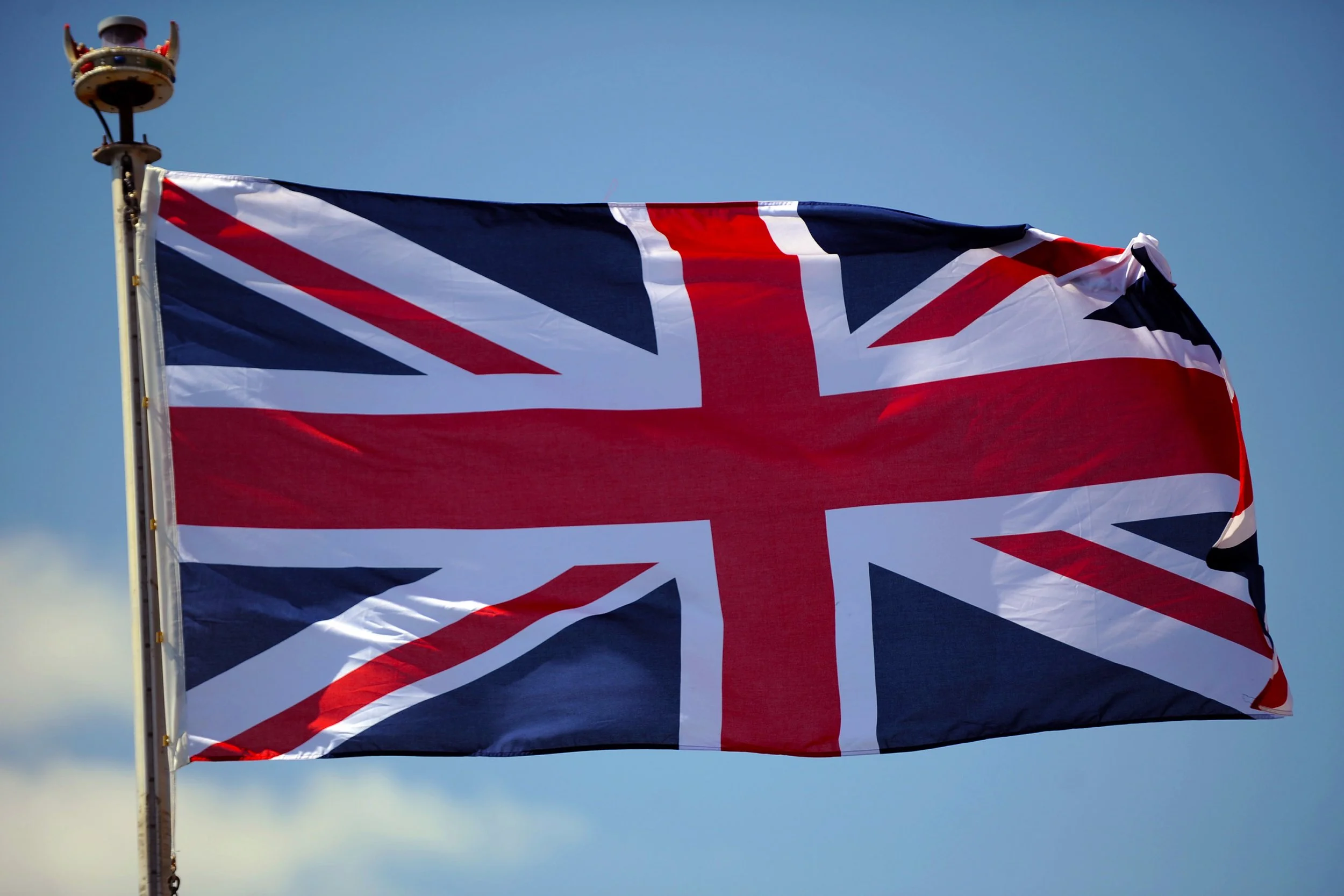
Despite social change, this latter nickname still roots itself in the historical connection of Canada to the United Kingdom through the British Crown as a current essential part of the Parliament of Canada. As such, politically influenced celebration of Victoria Day often differs from that which is observed in private homes. In addition to said firework displays, other governmental celebrations include: flying the Royal Union flag, performing traditional gun salutes, participating in British ceremonies such as Trooping the Colour, holding other parades focused on local patriotism, and more.




TROOPING THE COLOUR, OTTAWA, CANADA
RELATED ARTICLES
ATTRIBUTION
“Barbecuing kebabs and smokies” image courtesy of Evan Wise on Unsplash
“Drinking beer with friends in Banff” image courtesy of Michael McKay on Unsplash
“Forest hike to Lake Winnipeg Beach” image courtesy of Cohen Berg on Unsplash
“Kayaking on Lake Minnewanka” image courtesy of Matthew Fournier on Unsplash
“Fireworks” image courtesy of Elisha Terada on Unsplash
“Royal Union flag” image courtesy of LA(Phot) Simmo Simpson/MOD, OGL v1.0, Wikimedia Commons